Same subject, same pose. Change the light and you change the whole feeling.
Same subject, same pose. Change the light and you change the whole feeling.
If your AI images look flat, "fine but lifeless," the culprit is almost never the subject. It is the light. Today I want to give you the one lever that separates a snapshot from a photograph: lighting you chose on purpose. Once this clicks, every image you make gains depth, mood, and that hard-to-name quality people call cinematic.
Hey friends. Let me name a frustration I hear constantly. You generate an image, and the subject is great, the composition is solid, the style is exactly what you wanted, and yet the picture just sits there. It looks like a well-made flyer, not a moment. You cannot put your finger on why, so you reroll, you tweak the prompt, you add more adjectives, and nothing fixes it. The reason is almost always the same: the lighting is generic, and generic lighting makes everything look like a product shot under an office ceiling.
Here is the good news. Lighting is one of the most controllable things in all of prompting, because real photographers and cinematographers have spent a century naming exactly how light behaves, and the models learned those names. You do not have to describe physics. You just have to use the right three words: a quality, a direction, and sometimes a named style. Get those three right and a flat render turns into something that feels lit by a person who knew what they were doing. Let me walk you through all three.
Before direction, before any fancy named style, decide the most basic thing about your light: is it soft or is it hard? This single choice does more for the feeling of an image than almost anything else, and most people never make it on purpose.
Soft light comes from a large or diffused source, like an overcast sky or light bounced off a wall. It wraps gently around the subject, the shadows have feathered edges, and the whole image feels calm, flattering, and intimate. Hard light comes from a small, direct source, like the midday sun or a bare bulb. It carves sharp, defined shadows, adds drama and edge, and can feel bold, tense, or cinematic. Neither is better. They are moods. The mistake is letting the model pick for you, which usually lands on a bland in-between that commits to nothing.
| If you want the image to feel... | Prompt this quality |
|---|---|
| Calm, gentle, flattering, dreamy | soft light, diffused light, overcast light |
| Bold, dramatic, tense, high-contrast | hard light, harsh sunlight, direct light |
| Moody, shadowy, mysterious | low-key lighting, deep shadows, chiaroscuro |
| Bright, open, cheerful, airy | high-key lighting, bright even light |
Once you have the quality, tell the model where the light is coming from. Direction is the lever that creates depth, because shadows are what make a flat image read as three-dimensional, and the direction of the light decides where those shadows fall. This is the step that turns a sticker-flat subject into something with real form.
Here are the four directions worth knowing, and the feeling each one produces:
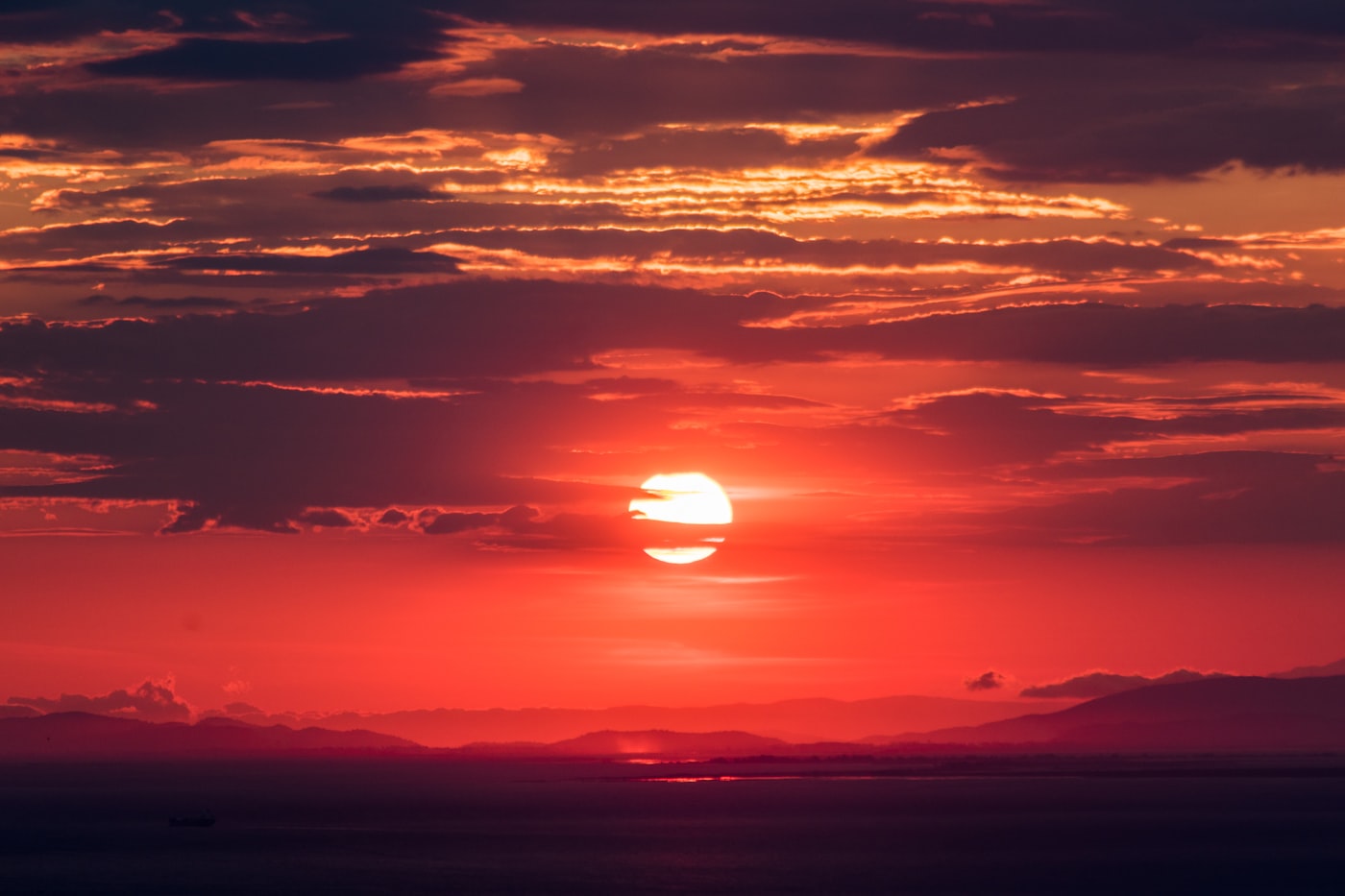
Side light is the workhorse. That gradient from bright to shadow is what gives a face form.
Now for the fun part. On top of quality and direction, there is a whole vocabulary of named lighting setups that photographers and filmmakers use, and naming one is a shortcut that pulls a complete, polished look out of the model in a single phrase. These are the terms that make people ask how you got that result.
| Named style | What you get, and the mood it carries |
|---|---|
| golden hour | The warm, low, soft sun just after sunrise or before sunset. Romantic, nostalgic, glowing. The most universally flattering light there is. |
| blue hour | The cool, even twilight just after sunset. Calm, moody, a little melancholy and cinematic. |
| Rembrandt lighting | A classic portrait setup with a small triangle of light under one eye. Painterly, intimate, timeless. Named after the painter for a reason. |
| rim light / backlight | A bright outline tracing the edge of the subject, separating it from the background. Dramatic, glowing, hero-shot energy. |
| cinematic lighting | Motivated, contrast-rich light that looks like a frame from a film. Use it as a finishing touch, not a crutch. |
| neon / practical lights | Colored light from signs, screens, or lamps inside the scene. Modern, urban, atmospheric. |
The reason these work so reliably is that each name carries a whole package of decisions the model already understands. When you write "golden hour," you are not just asking for warm color, you are asking for a low sun angle, long soft shadows, a hazy glow, and a nostalgic feeling, all of which the model has seen described together thousands of times. One phrase, a complete look. That is the leverage a named style gives you that a pile of loose adjectives never will.
The single most useful lighting tip I can give you: name the light source, not just the brightness. "Lit by a single warm lamp to the left, soft shadows" beats "good lighting" by a mile, because it tells the model where the light is, what color it is, and how hard it is, all at once. Vague words like "well lit" or "beautiful lighting" give the model nothing to act on, so it defaults to that flat, even, lifeless look. Always answer three questions in your prompt: how soft is the light, where is it coming from, and what color is it. Three answers, and your image stops looking accidental.
Here is how I layer the three steps when I want an image to actually feel like something. Quality, then direction, then a named style to seal it.
That is the whole craft of lighting compressed into a routine you can run every time. The subject of your image gets all the attention, but the light is what gives it a soul. A gorgeous character under flat, even light is a catalog photo. The same character under warm side light at golden hour is a moment someone wants to look at twice. That raking side light pulls double duty, because it is also what reveals surface detail, which our guide to texture and materials in AI art builds on to make skin, metal, and fabric feel real. You already know how to describe what is in your image. Now you know how to describe how it is lit, and that is the difference between making pictures and making images that feel alive.
Go try it on your next ten generations. Take a prompt you already like, and instead of adding more describing words about the subject, add exactly three about the light: soft or hard, the direction, and a named style. I think you will be a little shocked at how much warmer and more real everything suddenly looks. Lighting was the missing lever the whole time, and now it is yours.