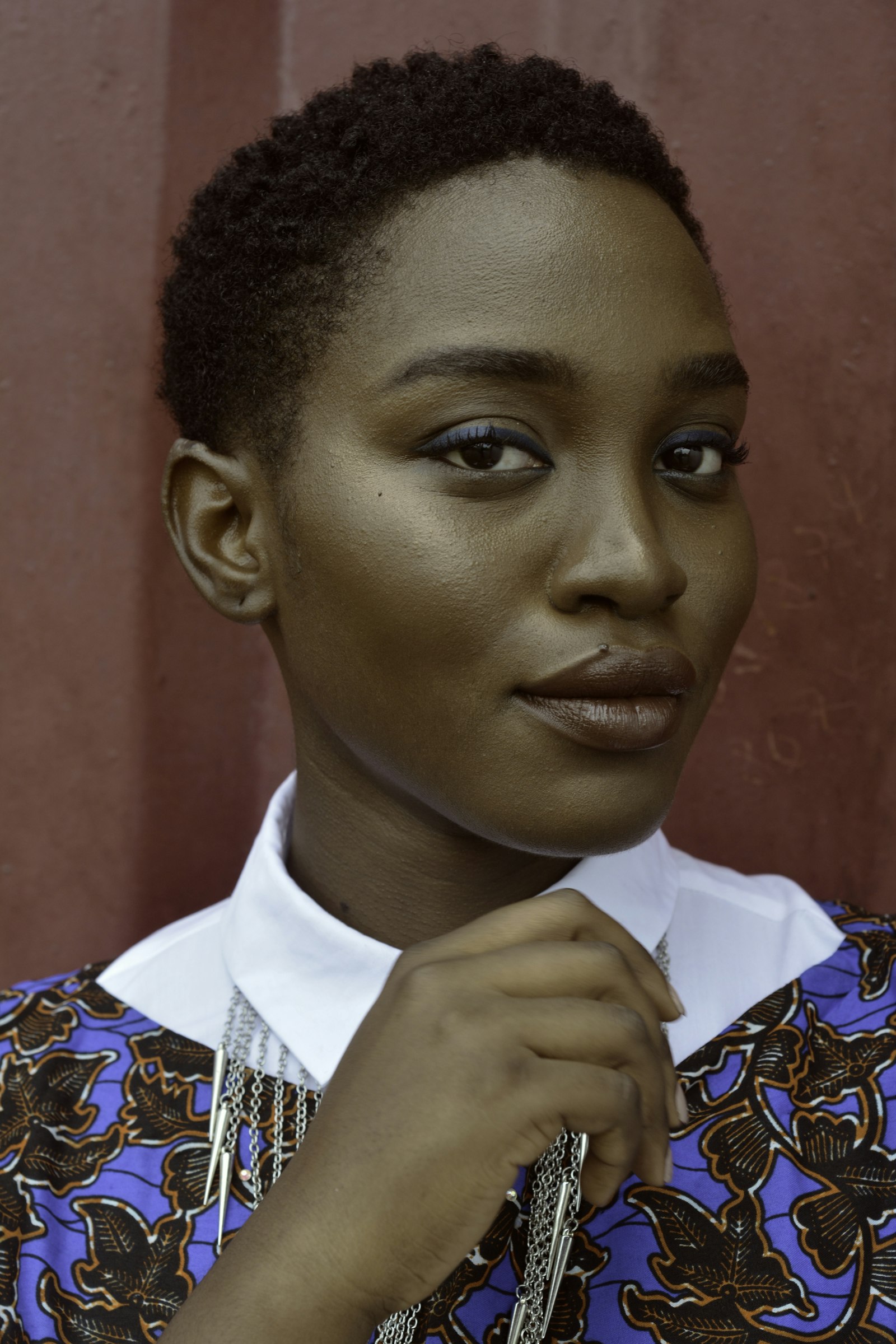
A face can be flawless and still feel empty. Real expression lives in the eyes, the brow, and the tiny asymmetries, and the prompt is usually why yours are missing.
A face can be flawless and still feel empty. Real expression lives in the eyes, the brow, and the tiny asymmetries, and the prompt is usually why yours are missing.
Your portraits are gorgeous and emotionally vacant because nothing in the prompt ever asked the face to feel anything. Here is how to fix that on the model you already use.
Hey friends. We have spent the last few weeks chasing realism: real skin, real wardrobe, real light, real posing. So here is a portrait where the skin has pores, the lighting is buttery, the outfit is styled, and the face still feels like nobody is home. Pretty, polished, and completely empty behind the eyes. That blankness is the next great AI tell, and it sneaks past you precisely because everything else looks so good.
Expression is the soul of a portrait, and it is the part people forget to ask for. You can render a technically perfect human and still get a mannequin if you never tell the model what that person is feeling. Today we fix that. We will cover the emotion vocabulary that actually lands, how the eyes and the gaze carry most of the weight, the micro-expression cues real faces have, and the small asymmetries that separate a living face from a smiling display dummy.
Think about why a stranger's photo can stop you scrolling. It is almost never the bone structure. It is that they look like they are in the middle of something, a thought, a reaction, a private joke. Their face is doing a job. The default AI portrait skips that job entirely. Ask for a beautiful woman and the model hands you a calm, symmetrical, faintly pleasant neutral, because neutral is the safe statistical average of every face it ever learned from.
Neutral is not an emotion, it is the absence of one, and your brain reads that absence as off. The cure is the same one we keep coming back to: name what you want. The model will happily render fear, mischief, exhaustion, or quiet joy, but only if the prompt asks. Leave it blank and you get the empty average every time.
Start by naming the feeling directly in the positive prompt, and be specific. Vague words like "emotional" or "expressive" give the model nothing to grab. Concrete emotional states give it a target. These are the kinds of phrases that reliably move a face:
Notice that each of these pairs a named emotion with a physical cue. "Warm smile" plus "eyes crinkled." "Melancholy" plus "distant gaze." That pairing is the whole trick, because it tells the model both the feeling and the muscles that show it. Place these near the front of the prompt where models weight tokens most heavily, the same word-order logic our guide to choosing and using AI image generators walks through in detail.
If you remember one thing from this guide, make it this: the eyes do most of the emotional lifting. A real smile lives in the small muscles around the eyes, not the lips. A dead smile is one where the mouth curves but the eyes stay flat and wide. Your viewers feel that mismatch instantly even if they cannot name it, and it is the single most common reason a cheerful AI face feels creepy instead of friendly.
So prompt the eyes on purpose. Eyes crinkled at the corners sells genuine happiness. Soft, relaxed eyes reads as calm and trusting. Slightly narrowed eyes adds focus or suspicion. Glossy, catchlight in the eyes keeps them from going dull and lifeless, because real eyes always catch a little reflection of the light around them. A face with bright, wet, catchlit eyes feels awake. A face with matte, flat eyes feels switched off.
Where a person looks tells a story, and a controlled gaze is one of the fastest ways to make a portrait feel intentional. There are really only three choices, and each says something different:
Pick one and say it plainly, because if you do not, the model defaults to a flat dead-center stare every time. Gaze direction also ties straight into composition, since where the eyes point creates an invisible line that leads the viewer's eye too. If you want to use that on purpose, our composition and framing guide covers leading lines and how a gaze can become one.
Real faces are never perfectly balanced. One side of the mouth lifts a hair higher than the other. One eyebrow sits slightly differently. There is a faint tension here, a soft crease there. The AI default, left alone, tends to render an eerily symmetrical face, and that symmetry is a big part of why it feels synthetic. Perfect balance is something we almost never see in living people, so our brains quietly flag it as wrong.
You can fight that with a few well chosen cues. Slight asymmetric smile or one corner of the mouth raised instantly humanizes a grin. Subtle frown lines, faint crow's feet, or a small furrow between the brows add the trace of a real reaction. You are not asking for a dramatic scowl, just the tiny muscle tension that says a real person is feeling a real thing. These micro-cues pair beautifully with the texture work from our photorealistic skin texture guide, because expression lines only read as real when the skin around them does too.
The positive prompt asks for feeling. The negative prompt tells the model to stop handing you the empty default. A short, aimed set helps a lot here:
Keep it lean. Three or four targeted terms beat a giant copied wall of negatives, because every extra word spreads the model's attention thinner. We unpack that whole philosophy in our friendly walkthrough on using negative prompts as a precise eraser instead of a magic spell.
| Empty prompt | Same idea, real emotion |
|---|---|
| portrait of a woman, smiling, beautiful | portrait of a woman, genuine warm smile, eyes crinkled, slight asymmetric smile, catchlight in the eyes, looking directly at camera |
| close up of a man, serious | close up of a man, fierce intense stare, jaw set, subtle furrow between the brows, gaze off frame (negative: blank expression, dead eyes) |
| headshot of a young woman | headshot of a young woman, wistful and lost in thought, soft lowered eyes, faint melancholy, soft window light (negative: vacant stare, forced smile) |
Same people, same model, wildly different presence, purely because the right column tells the face what to feel and tells the eyes what to do.
The one habit that fixes most dead faces: never write a portrait prompt without one named emotion and one eye cue. Even a bare "genuine warm smile, eyes crinkled" beats a gorgeous, detailed prompt that forgets to tell the face it is allowed to feel anything at all.
A blank AI face is not a sign your model lacks range. It is a sign you left the most important instruction off the page. The model defaults to a pretty, symmetrical, emotional nothing because that is the safe average, and the fix costs you only a few deliberate words: name the feeling, light up the eyes, point the gaze, break the symmetry, and forbid the vacant stare. Do that and your portraits stop staring through people and start looking back at them.
Once your faces actually feel something, the next step is keeping that same expressive person alive across a whole set, and you can see the emotion-first approach at work throughout our character galleries. Now go put some life behind those eyes.
Happy generating, and send me the AI portrait that made you forget it was AI!