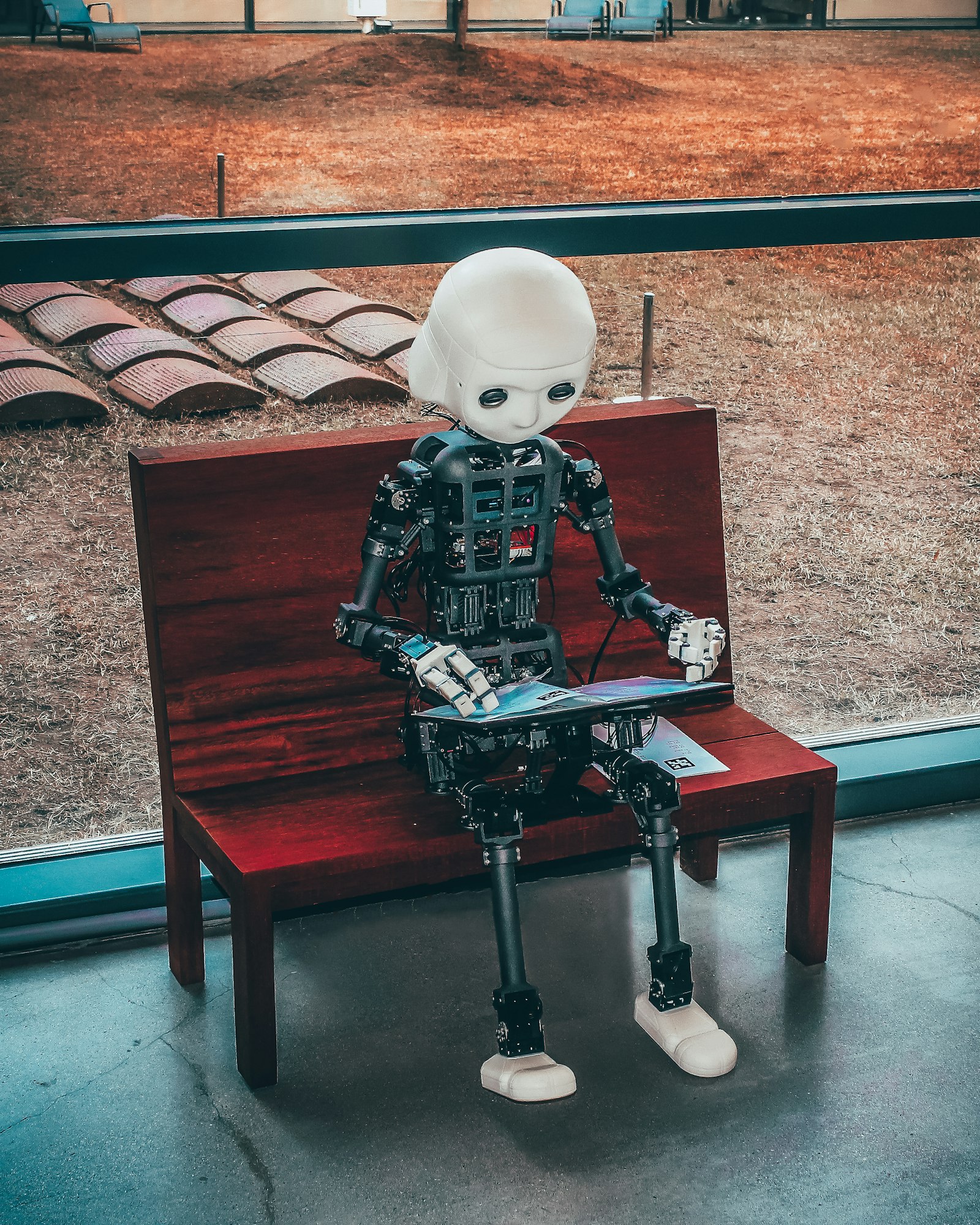
One pretty image is easy. Twenty that look like the same person is the whole craft.
One pretty image is easy. Twenty that look like the same person is the whole craft.
No new model, no launch hype. Just the skill that separates a random gallery from a real character: stopping the drift.
Hey friends. We talk a lot about which model just dropped, but here is a secret the launch hype never mentions: the hardest problem in AI art has almost nothing to do with which generator you use. It is consistency. Anyone can roll the dice and get one gorgeous image. The real skill, the thing that turns a pile of pretty randoms into an actual character people recognize, is making image number twelve look like the same person as image number one.
This guide is deliberately model-agnostic. Whether you live in Flux, Midjourney, or whatever launched this week, the principles are the same, because consistency is a workflow problem, not a model feature. Here is how I keep a character locked across a whole set, and how I claw it back when it starts to drift.
To fix drift you have to understand it. Every time you generate, the model is not remembering your character. It is re-imagining a person who matches your description from scratch, and a text description, no matter how detailed, leaves enormous room for interpretation. "Green eyes, dark hair, sharp jaw" describes millions of different faces. So each generation lands on a slightly different point inside that huge space of valid matches, and those tiny differences stack up into a set that feels like siblings rather than one person.
The entire craft of consistency is about shrinking that space. Every technique below is really the same move: giving the model less room to reinterpret who your character is, so each new image is forced closer to the last one instead of wandering off into a new face.
This is the single biggest lever. A style reference, the feature most tools now offer for feeding the model an image to match rather than just words, is how you escape the limits of text. Pick your best, clearest render of the character, the one where the face reads exactly right, and make it your anchor. Feed that same reference into every subsequent generation. You are no longer asking the model to invent someone who fits a description, you are asking it to stay near a specific face it can see. Lock the reference, and half the drift disappears before you do anything else.
Separate your prompt into two parts: the character block and the scene block. The character block is the exact same text every single time, word for word, the eyes, the hair, the face shape, the defining features, copied and pasted unchanged. The scene block is the only thing you vary, the pose, the lighting, the setting. The mistake almost everyone makes is rewriting the character description from memory each session, introducing tiny wording changes that the model dutifully turns into a slightly new person. Treat the character block like a locked password. You do not retype it, you paste it.
When you need a new image, move a single variable. Keep the character block and the reference fixed, and change only the pose, or only the lighting, or only the background. If you overhaul the lighting, the framing, and the outfit all at once, you give the model permission to renegotiate everything, including the face. Incremental changes keep each new image tethered to the previous one. Big simultaneous swings are exactly where a character snaps to a stranger.
Consistency is also an editing discipline, not just a generation one. Generate more than you need and ruthlessly cut anything off-model, even if it is a beautiful image, because a gorgeous picture of the wrong face poisons the set. Better still, when you produce a render that nails the character even more perfectly than your original anchor, promote it. Make that your new style reference going forward. Your anchor should get sharper over time, dragging the whole set tighter around one definitive face.
Even with everything locked, the hardest images, a dramatic lighting change, an extreme pose, a busy scene, will sometimes pull the face off-model. Do not start over. Run the recovery routine instead:
Drift is not failure. It is just the model reaching the edge of how much variation it can hold while staying on-character, and the recovery routine pulls it back inside that edge.
The one-sentence version: consistency is not something the model gives you, it is something you impose by shrinking how much you let the model reinterpret your character, one locked reference and one fixed character block at a time.
Here is the payoff for treating consistency as a craft instead of waiting for a model to solve it. A consistent character is the difference between a folder of nice images and an actual recognizable presence, the thing that lets a series feel like a series and a character feel like a person. New models will keep arriving and each one will make this a little easier, but none of them will do it for you if your workflow is sloppy, and all of them will reward you if it is tight.
So before you chase the next release, get this part right, because it transfers to every tool you will ever use. If you want to see what locked, intentional character work looks like in practice, browse our galleries, and if you want the lay of the land on which tools handle references best, our complete guide to AI image generators breaks it all down. Now go lock a face and make a real character.
Happy generating, and may your set never drift!